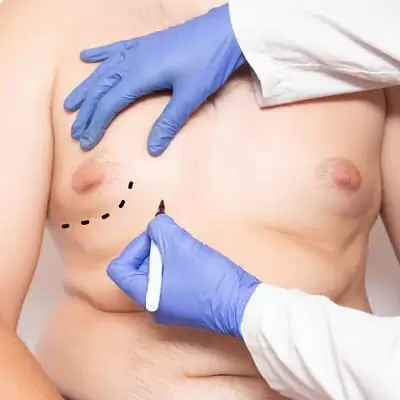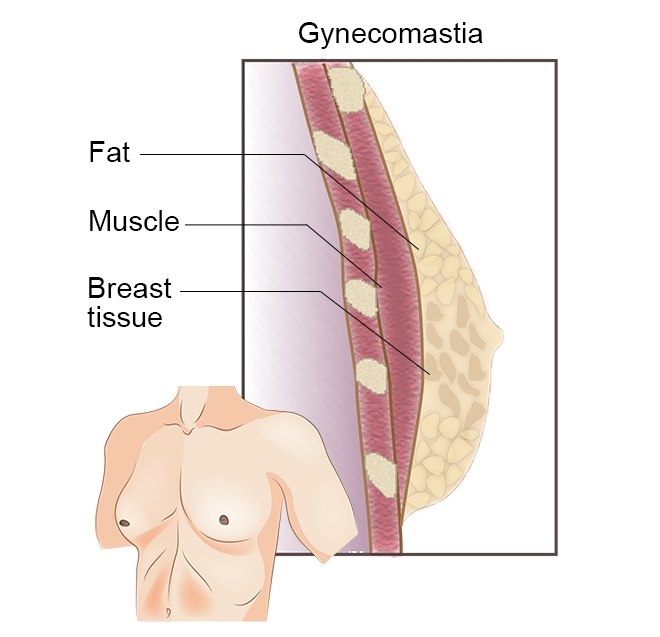

Many men spend months or even years working out at the gym to get a flat, toned chest. While exercise is excellent for overall fitness, it can be frustrating when chest fat refuses to go away despite regular workouts and a healthy diet. If this sounds familiar, you may not be dealing with simple fat but a condition called gynecomastia.
Understanding the difference between chest fat and gynecomastia is the first step toward choosing the right gynecomastia treatment.
Why the Gym Doesn’t Always Work for Gynecomastia
The gym mainly helps burn fat and build muscle. However, gynecomastia is caused by an excess growth of glandular breast tissue, not fat alone. This gland tissue does not respond to exercise, dieting, or weight loss.
Many men ask, “Can exercise cure gynecomastia?” The honest answer is not always. If your chest enlargement is due to fat (pseudo-gynecomastia), workouts may help. But when true gynecomastia is present, the gym alone is unlikely to give results.
This is why many men feel stuck, even after doing endless push-ups and chest workouts.
Gynecomastia vs Chest Fat: How to Tell the Difference
One of the most common questions is about the difference between chest fat and gynecomastia.
- Chest fat feels soft and reduces with weight loss
- Gynecomastia feels firm or rubbery, especially under the nipple
- Gynecomastia often causes puffy nipples
- It may affect one or both sides
A proper medical evaluation is essential to confirm the condition and plan the best treatment.
Common Causes of Gynecomastia in Men
Gynecomastia can occur due to several reasons, including:
- Hormonal imbalance (estrogen and testosterone)
- Puberty-related changes
- Certain medications or steroids
- Alcohol or substance use
- Medical conditions affecting hormones
Knowing the underlying cause helps doctors recommend the most effective medical treatment for gynecomastia.
When Medical Treatment Becomes Necessary
If lifestyle changes and exercise fail, medical treatment is often the next step. At Cosmetic Clinique, treatment is tailored based on the grade and severity of gynecomastia.
Non-Surgical Options
In early or mild cases, medications and lifestyle guidance may help control hormone-related causes.
Gynecomastia Surgery
For moderate to severe cases, gynecomastia surgery (male breast reduction) is the most effective solution. It removes excess gland tissue and fat, creating a flatter, masculine chest.
Modern surgical techniques ensure:
- Minimal scarring
- Natural-looking results
- Faster recovery
Is Gynecomastia Surgery Safe?
A common concern is safety. When performed by experienced specialists, gynecomastia surgery is safe and effective. Most patients return to daily activities within a few days and resume workouts after proper healing.
Another frequent question is, “Does gynecomastia come back after surgery?”
In most cases, results are permanent when underlying causes are managed properly.
Life After Gynecomastia Treatment
After successful gynecomastia treatment, many men report:
- Improved chest appearance
- Better confidence in fitted clothes
- Comfort at the gym and beach
- Freedom from constant self-consciousness
Instead of wasting time on workouts that don’t work, choosing the right treatment can be life-changing.
When Should You See a Doctor?
You should consider medical consultation if:
- Your chest doesn’t change despite weight loss
- You feel firm tissue under the nipple
- Gynecomastia affects your confidence or mental health
Early diagnosis leads to better outcomes and simpler treatment options.
Final Thoughts
Spending endless hours at the gym without seeing results can be frustrating and emotionally draining. The truth is, gynecomastia is not a fitness failure it is a medical condition that often needs medical attention.
At Cosmetic Clinique, men are guided through every step, from accurate diagnosis to the most effective treatment options. With experienced specialists, advanced technology, and compassionate care, patients can finally achieve a flatter chest and the confidence they deserve without unnecessary struggle