
When hair thinning, hair fall, or certain skin concerns become noticeable, patients may look for treatments that use minimally invasive approaches and support the body’s natural healing processes. Clinique Internationale offers PRP-based treatment as part of its cosmetic and hair-care services. The clinic has centres in Kharghar, Pune, Bangalore and Shirdi, with a professional team providing personalised cosmetic and hair treatments. Dr. Bhavesh Gupta, founder of Clinique Internationale, is identified by the clinic as a facial cosmetic and hair transplant surgeon, while external clinic listings also associate him with PRP hair restoration services.
What Is PRP Treatment?
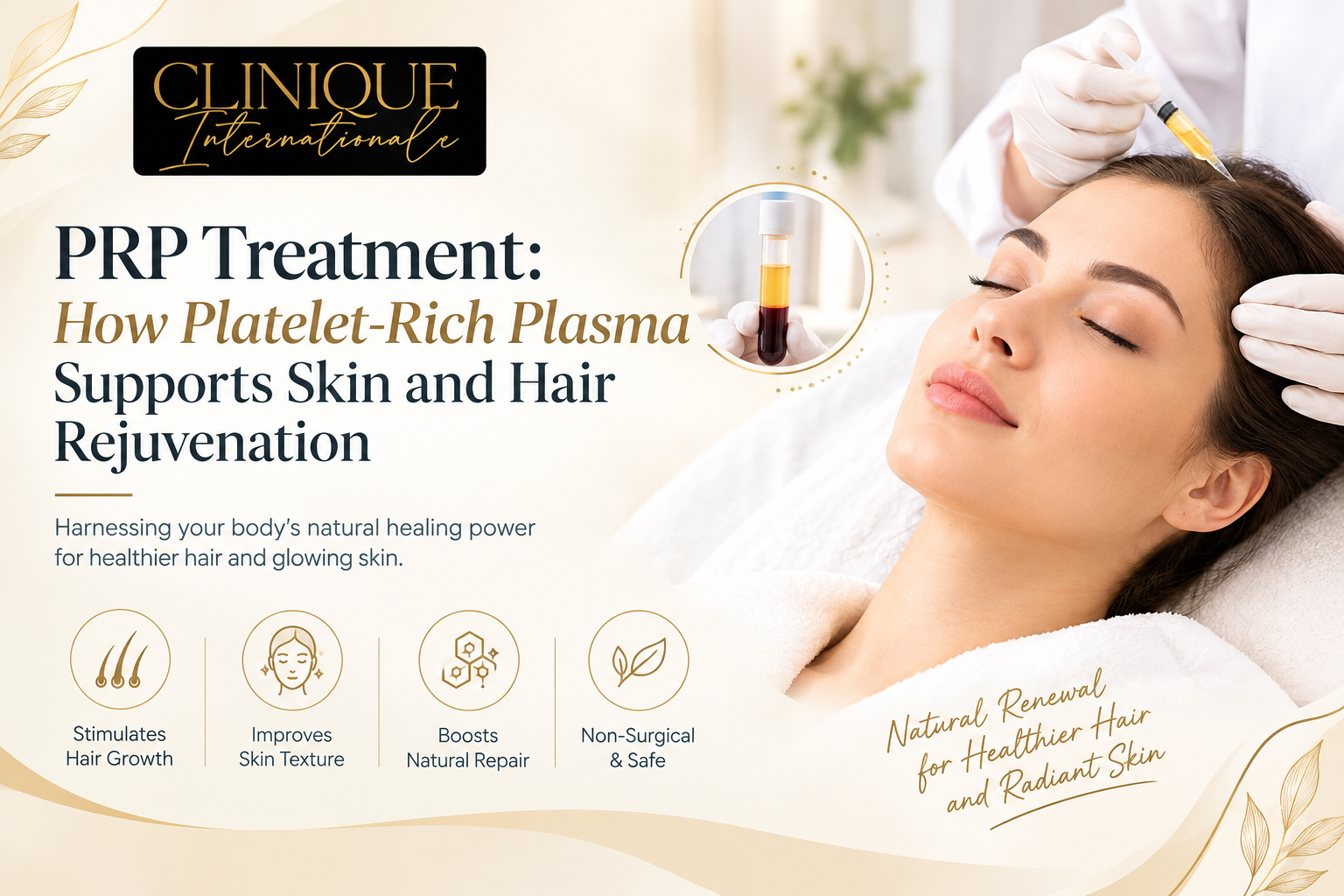
PRP, or platelet-rich plasma, is prepared using a patient’s own blood. A small blood sample is collected and processed to separate components containing a higher concentration of platelets. These platelets contain growth factors and other substances involved in the body’s natural repair processes.
Platelet rich plasma therapy is used in different aesthetic and regenerative applications. In hair care, it may be considered for people experiencing certain forms of hair thinning or hair loss. In cosmetic treatments, PRP may also be used to support skin rejuvenation.
The suitability of treatment depends on the individual’s condition, medical history, hair or skin concerns, and treatment goals. A consultation is therefore an important first step before deciding whether PRP is appropriate.
How Can PRP Support Hair Restoration?
Hair thinning can develop for several reasons, including genetic factors, hormonal changes, nutritional concerns, stress, and other underlying conditions. Because the cause differs from person to person, a proper assessment is useful before starting treatment.
Plasma therapy for hair involves using a patient’s processed plasma and platelets in targeted areas of the scalp. The purpose is to deliver platelet-derived growth factors to areas being treated. PRP is generally considered a non-surgical option and may be discussed alongside other approaches to hair restoration.
Clinique Internationale’s hair-care services include PRP and other hair-restoration approaches. Its professional team also provides hair transplant services, allowing treatment planning to be based on the individual’s needs rather than relying on a single procedure.
What Happens During a PRP Session?
A typical plasma therapy for hair session begins with a consultation and assessment of the treatment area. The clinician may review the patient’s hair-loss pattern, medical history, previous treatments, and expectations.
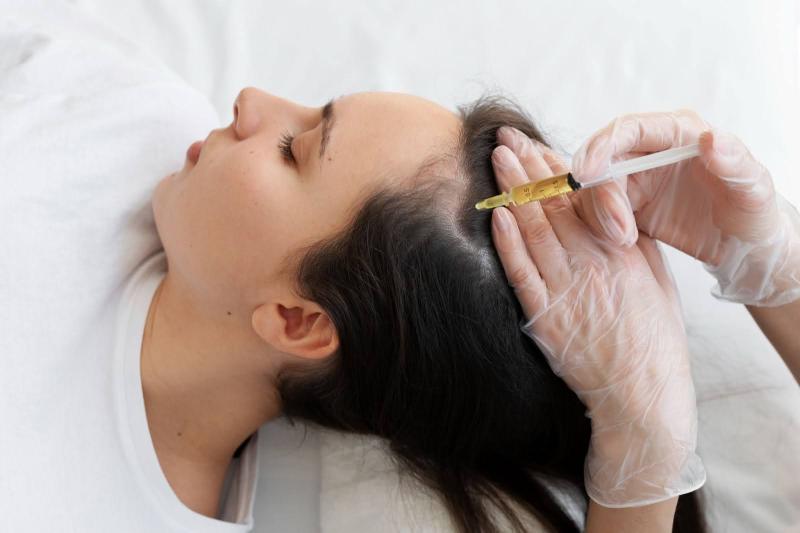
A small amount of blood is then collected and processed to separate the platelet-rich component. The prepared material is subsequently introduced into selected areas of the scalp using small injections.
The exact technique, number of injections, treatment intervals, and number of sessions can vary. These factors are normally decided after assessing the patient’s condition.
For individuals considering aesthetic treatments for facial concerns, treatment planning may involve different procedures depending on the specific concern. For example, Botox treatment is used for selected facial lines and wrinkles and follows a different treatment approach from PRP.
PRP for Skin Rejuvenation
Although PRP is commonly discussed in relation to hair restoration, platelet rich plasma can also be used in aesthetic skin treatments. The approach focuses on using components derived from the patient’s own blood to support skin-repair processes.
Depending on the treatment plan, PRP may be considered for concerns involving skin texture and overall skin appearance. The treatment is different from dermal fillers, which add volume to selected facial areas. Patients considering volume enhancement can learn about dermal fillers as a separate cosmetic treatment.
It is important to understand that PRP does not produce identical results for everyone. Skin condition, age, lifestyle, underlying health factors, treatment technique, and the number of sessions can all influence the outcome.
Who May Consider PRP?
A plasma therapy for hair consultation may be appropriate for individuals concerned about hair thinning or certain types of hair loss. However, PRP is not automatically suitable for every form of hair loss. Identifying the underlying cause can help determine whether PRP or another treatment approach should be considered.
During consultation, Dr. Bhavesh Gupta and the clinical team can assess the concern and discuss suitable options based on the patient’s individual requirements. The clinic’s website describes its approach as personalised care supported by experienced doctors, aestheticians, and technicians.
What Should Patients Know Before Treatment?
Before undergoing platelet rich plasma treatment, patients should discuss existing medical conditions, medications, allergies, previous procedures, and expectations with the treating professional. The treatment plan should be based on an individual assessment rather than a standard number of sessions.
Patients should also understand that PRP is a treatment process rather than an instant solution. Depending on the reason for treatment, multiple sessions may be recommended, followed by appropriate monitoring.
Frequently Asked Questions
1. What does PRP stand for?
PRP stands for platelet-rich plasma. It is prepared from a patient’s own blood after processing to concentrate platelets and plasma.
2. Is PRP used for hair loss?
Yes. Plasma therapy for hair is used as a non-surgical treatment approach for certain hair-loss and hair-thinning concerns. Suitability depends on the underlying cause.
3. Is PRP the same as a hair transplant?
No. PRP is a non-surgical treatment involving injections of prepared blood components, while a hair transplant involves surgically moving hair follicles from one area to another.
4. Can platelet-rich plasma be used for skin?
Yes. Platelet rich plasma may also be used in selected aesthetic skin-rejuvenation treatments, depending on the patient’s concerns and treatment plan.
5. How many PRP sessions are required?
There is no single session schedule suitable for every person. The number and timing of sessions depend on the condition being treated, clinical assessment, and individual response.